Individual Financial Assistance (Medical)
Through Individual Financial Assistance (Medical), PBM supports the poor, widows, destitute women, orphans, and disabled persons for treatment of major illnesses. PBM provides help for cancer, heart disease, hepatitis, tuberculosis, vital organ surgeries, and kidney dialysis based on hospital recommendations.
🎯 Objectives
- Fulfillment of immediate needs of the poor
- Medical treatment for major ailments and disabilities
- Economic empowerment through rehabilitation
📝 Enrolment Criteria
- Needy individuals on a first-come, first-served basis
- Persons facing suffering beyond their means
- Sudden economic downfall victims
- Severe physical/mental disability, unable to earn
- Widowed/divorced women raising children alone
- Invalid/infirm people with no family support
- Monthly income ≤ Rs. 74,000/-
🚫 Ineligible Applicants
- Govt. servants (including contract) and their family members
- Beneficiaries of other government aid organizations
🌟 Salient Features
Any deserving individual can apply for medical assistance. PBM offers support of up to Rs. 1 million for treatment.
Funds are released based on recommendations by the hospital committee, specialist doctor, or Medical Superintendent of the government hospital.
🎓 Individual Financial Assistance (Education)
Through Individual Financial Assistance (Education), PBM supports poor, deserving, and brilliant students enrolled in public-sector educational and technical institutions with education stipends for completing their studies.
Assistance is provided only to regular/merit-based students in government institutes. Self-financed or private institute students, and children of government employees, are ineligible.
🎯 Objectives
- Fulfilment of immediate need of the poor
- Economic empowerment through rehabilitation
- Stipends for deserving students in public-sector institutions
📝 Enrolment Criteria
- Needy individuals on first-come, first-served basis
- People facing misery beyond their control
- Victims of sudden economic downfall
- Widowed/divorced women raising children alone
- Infirm/isolated persons with no income
- Monthly income below Rs. 74,000/-
🚫 Ineligible Applicants
- Govt. servants, even on contract, and their family members
- Beneficiaries of similar assistance from other govt. orgs
🌟 Salient Features
Any eligible individual can apply. PBM pays university fees (including boarding charges) directly to the institution so that brilliant students can complete their education and fulfill their dreams.
📌 Criteria of Selection
- Application with address, thumb signature, CNIC/B-form (if < 18 years)
- Bonafide certificate (PBM format) signed by Head of Institution
- Educational testimonial (certificates copy)
- Affidavit filled by parents
- Fee slip or structure of the institute
🤝 Orphan Widow Support Program (OWSP)
Initiated in 2020 as a pilot, this Conditional Cash Transfer (CCT) program provides family support such as education and healthcare to orphans and widows, fostering a more inclusive society.
🎯 Why Are We Serving?
- Aims at poverty graduation by transitioning from institutional care to family-based support.
📌 Target of Our Services
- Offers alternative care for widows and orphan children, especially girls, across the country.
🎯 Objectives
- Aligns with SDGs: Zero Hunger, Good Health & Well-being, Quality Education, and Gender Equality.
- Provision of home and family-based services.
- Improve literacy and reduce dropout rates via conditional cash transfers.
- Supports the whole family, not just the orphan child.
💼 Scope of Benefits
- Special focus on female orphans.
- Cash assistance of Rs. 8,000/month per orphan child.
- Support for higher education of orphans.
- Comprehensive support for widowed families.
- Vocational training opportunities.
- Healthcare service provision.
- Individual financial assistance for education, medical, and general needs.
📊 MIS & Monitoring
- MIS ensures transparency, efficiency, and robust data management.
- Payments made via Biometric Verification System (BVS).
- Compliance monitoring through geo-tagging.
🌍 Impact
- Immediate financial relief to families in need.
- Promotes access to education and quality healthcare.
- Social inclusion for vulnerable families.
- Encourages economic self-sufficiency.
- Invests in human capital and drives societal transformation.
- Breaks inter-generational cycles of poverty.
🏠 Pakistan Bait-ul-Mal Sweet Home
Pakistan has a proud tradition of caring for orphans. Since signing the Convention on the Rights of the Child (1989), several initiatives have been launched to support children without parental care. As per PBM Act-1991 (amended), Sweet Homes offer shelter and support for 100 orphans (aged 4–6) in each unit nationwide.
🌟 Facilities Provided
- Free furnished accommodation (family unit)
- Nutritious diet (breakfast/lunch/dinner)
- Free education in quality city schools
- Free uniform, books & stationery
- Seasonal clothing & footwear
- Medical care through govt. hospitals
- Skill development programs
- Free laundry services
- Religious education & prayer rooms
- Counseling & legal aid for victims
🧾 Enrolment Criteria
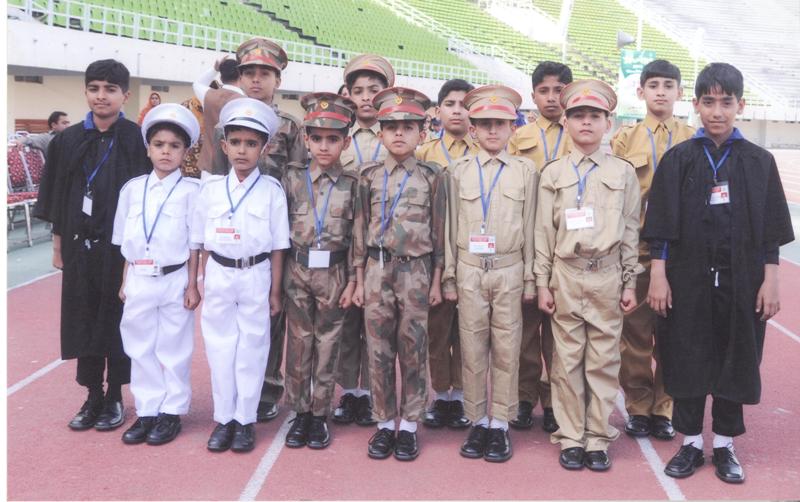
Orphans aged 4 to 6 years, recommended preferably by Parliamentarians, Govt officials, Social Workers, Civil Societies, or PBM functionaries. Children remain enrolled until the completion of their education or skill development and transition to adulthood.
📝 Enrolment Procedure
The guardian must submit the prescribed application form along with required documents to the PBM District Officer. Upon verification, the application is forwarded to the Provincial/Regional Office. The Sweet Home Incharge maintains a detailed biography and background record of every child for proper care and future guidance.
♿ Individual Financial Assistance (Special Friends)
Pakistan Bait-ul-Mal (PBM) is committed to empowering Persons with Disabilities (PWDs) by providing financial assistance, standard/customized wheelchairs, hearing aids, white canes, and artificial limbs.
A family with one PWD is eligible for Rs. 20,000/- annually, while families with two or more PWDs receive Rs. 30,000/- annually, along with assistive devices to help individuals live with dignity and independence.
Fulfil Basic Needs
Support the immediate needs of people with disabilities.
Assistive Devices
Provision of wheelchairs, hearing aids, white canes & limbs.
Empowerment
Enable social and economic participation through support.
🎯 Area of Support
- Financial Assistance (Rs. 20,000 – 30,000 annually)
- Standard & Customized Wheelchairs
- Hearing Aids
- White Canes & Artificial Limbs
✅ Eligibility & Application Criteria
- Application on PBM prescribed form
- Copy of valid CNIC
- B-Form (for minors)
- Disability certificate / NADRA CNIC with disability logo
- Application with CNIC copy
- Disability certificate or visible photo of disability
- Recommendation from govt. medical officer
- Senior citizens (60+ years) also eligible
Online application required for these districts: Islamabad, Gujranwala, Hyderabad, Sukkur, Kotli, Rahim Yar Khan, Haripur, Tank, etc.
- Disability certificate from social welfare dept / NADRA
- Photograph showing disability
- Application with CNIC copy
- Estimate from Govt. hospital
- Medical test reports
- Undertaking for Sehat Sahulat Card
- NOC from Sehat Sahulat Programme if not covered
👩🎓 Women Empowerment Centres (WEC)
Since 1995, Pakistan Bait-ul-Mal (PBM) has been operating 165 Women Empowerment Centres (WEC) across Pakistan, including AJK and Gilgit Baltistan. These centers aim to train widows, orphans, and poor girls in professional and income-generating skills, empowering them to become financially independent.
Trainees receive a stipend of Rs. 50/day based on attendance. Local market-oriented courses are tailored according to the region’s needs with support from NGOs and community stakeholders.
🎯 Objectives
Skill Development
Train low-income group of women in practical trades.
Support Orphans
Focus on empowering orphans and widows through free training.
Income Generation
Enable self-reliance through vocational and marketable skills.
🎓 Courses Offered
- ✂️ Cutting, Drafting, Tailoring
- 🧵 Hand & Machine Embroidery
- 💻 Basic & Advance Computer Courses
- 💄 Beautician Course
- 🎨 Tie & Dye, Fabric Painting
- 🧶 Hand Knitting
165 Centers
Located across Pakistan including AJK, GB & ICT.
Stipend Rs. 50/Day
Paid on attendance basis to each enrolled trainee.
228,604 Graduates
Passed out in last 10 years; 25,054 currently enrolled.
📝 Enrolment Criteria
- 👩👧 Widows with dependent children
- 🧕 Orphans & destitute girls with no support
- 💼 Must belong to low-income households
- 🕋 Preference given with involvement of local representatives
📘 PBM Schools for Rehabilitation of Child Labour (SRCL)
Since 1995, Pakistan Bait-ul-Mal has been running 160 Schools for Rehabilitation of Child Labour (SRCL), previously known as National Centres for Rehabilitation of Child Labour (NCRCL), aiming to rescue children from hazardous labour conditions and bring them into the fold of education and hope.
Children aged 8–14 years from vulnerable backgrounds are enrolled, provided with free primary education, uniforms, books, daily stipends, medical care, and religious and extracurricular activities. Each center maintains a sanctioned strength of 120 students.
🎯 Objectives
Eradicate Child Labour
Rescue children from hazardous labor environments and bonded industries.
Provide Primary Education
Deliver quality education in a nurturing classroom environment.
Enable Higher Learning
Support further education and integration into the mainstream society.
📌 Salient Features
- 👦 Standard strength of 120 students per school
- 📚 Free education, books, uniform, shoes, religious education, and medical checkups
- 💸 Rs. 50/day student stipend & Rs. 300/month wage compensation for parents
- ⏳ Primary education delivered in 4 years (informal format)
- ❌ No summer breaks or long local holidays to avoid regression
- 🎓 19,574 students passed out; 11,858 admitted to government schools
- 📖 Rs. 4,100/annum support for passed-out students for continued education
📝 Enrolment Criteria
- 🏭 Must be involved in or at risk of hazardous labour (brick-kilns, mines, domestic work, etc.)
- 👧 Aged between 8 – 14 years
- 📍 Availability of bonded labor within region for at least 5 years
- ✅ Verified and recommended by Labour Department or Ministry of Labour guidelines
160 SRCLs
Across Pakistan: Punjab, Sindh, KPK, Balochistan, AJK, GB, ICT
27,941 Active Students
Currently benefiting from these schools
217,699 Graduates
Passed out over the last 10 years
🩸 Pakistan Thalassaemia Centre
Saving lives just by donating blood – A lifeline for children battling Thalassaemia.
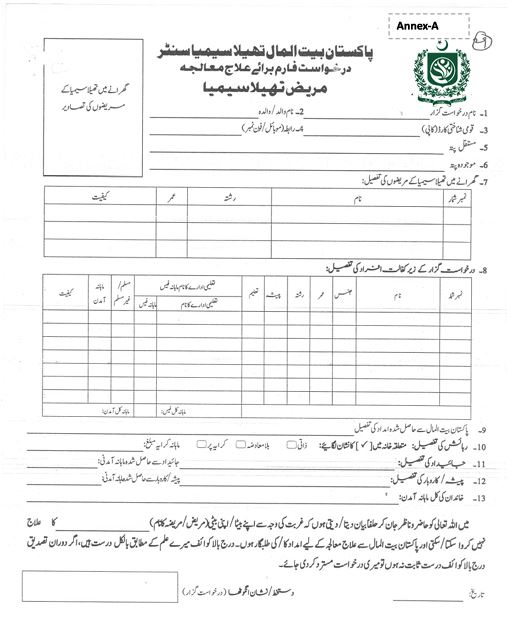
Thalassaemia is an inherited blood disorder that results in an abnormal form of hemoglobin, leading to anemia. Pakistan faces a grave situation with around 100,000 registered patients, and 5,000 new cases each year. These patients require lifelong blood transfusions, iron chelation, and diagnostic tests — a heavy burden for underprivileged families.
In response, Pakistan Bait-ul-Mal (PBM) established a State-of-the-Art Thalassaemia Centre in F-9 Park, Islamabad, in collaboration with NOVARTIS (PVT) Ltd, providing completely free-of-cost treatment for the most vulnerable.
🎯 Objectives
Free Medical Care
Delivering advanced treatment to underprivileged Thalassaemia patients.
Improve Life Expectancy
Supporting quality of life through consistent and professional care.
A Ray of Hope
Bringing hope to orphans and impoverished families battling this disorder.
📊 Project Impact
15,000+ Patients Treated
Since 2020, with blood transfusions, iron chelation, Ferritin, LFT/RFT tests.
100,000+ Living with Thalassaemia
Urgent need for consistent, affordable medical support in Pakistan.
5,000 New Cases Annually
Born into families unaware of prevention or unable to afford care.
📝 Enrolment Procedure
- ✅ Open to poor, destitute, orphans, widows, and infirm individuals
- 🧾 Must submit application to PBM with CNIC or NADRA receipt
- 🏥 Evaluation and eligibility confirmed through medical documentation
👵 PBM Old Home
Providing dignity, care, and comfort to shelterless senior citizens of Pakistan.
As per the PBM Act, the Pakistan Bait-ul-Mal Board launched the PBM Old Home project to rehabilitate the invalid, shelterless, and abandoned elderly. Initially launched in Islamabad, Lahore, Karachi, Peshawar, and Quetta, this initiative aims to expand nationwide. With capacity for 50 residents per location, the homes provide boarding, food, clothing, medical care, and recreation in a warm, family-like atmosphere.
🎯 Mission
To help destitute people live a happier, more comfortable life with respect, dignity, and protection.
🏆 Goal
To create a family-like environment offering emotional, physical, and social support for neglected senior citizens in the third phase of life.
👥 Target Group
- ✅ Shelterless elderly citizens from across Pakistan, including AJK, Gilgit-Baltistan, and FATA
- ✅ Invalid, abandoned, or socially deprived seniors
🏡 Facilities Provided
Furnished Accommodation
Dormitory-style rooms with bedding and personal space.
Nutritious Meals
Balanced diet provided three times a day, tailored to health needs.
Medical Care
Regular check-ups and access to medication through government facilities.
Clothing & Laundry
Seasonal clothes and free laundry services for personal hygiene.
Prayer Room
Designated spiritual space to offer daily prayers peacefully.
Recreational Activities
Social, cultural, and wellness events for happiness and engagement.
National Meals & Shelter Dashboard
Last Updated: April 17, 2025 – 10:50 PM
Total Beneficiaries
17,687,871
Since 1st Sept 2020
Meals Served
16,205,287
Shelter Provided
1,482,584
📅 This Month
Meals
76,575
Shelter Provided
9,496
⏱️ Last 24 Hours - Regional Summary
📍 ICT
Total: 2,398 beneficiaries
Meals: 2,043
Shelter: 355
📍 Sindh
Total: 3,830 beneficiaries
Meals: 3,506
Shelter: 324
📍 Balochistan
All Shelter Homes closed
📍 Khyber Pakhtunkhwa
All Shelter Homes closed
🍽️ Khana...Sab Kay Liye - Meals Served
| Region | Total Meals | Last 24 Hours |
|---|---|---|
| ICT | 1,240,943 | 0 |
| Punjab I (Not Functional) | 2,268,920 | 0 |
| KPK | 516,503 | 0 |
| South Punjab | 227,975 | 400 |
| Balochistan (Not Functional) | 33,493 | 0 |
| Sindh | 1,609,940 | 2,430 |
| Gilgit-Baltistan (Not Functional) | 97,171 | 0 |
Cochlear Implant Program
Restoring hearing, empowering lives.
A cochlear implant is a small electronic device that electrically stimulates the cochlear nerve (nerve for hearing). This device can significantly improve the ability to hear and understand speech for individuals suffering from hearing loss.
Poor and deserving applicants seeking a cochlear implant can register with Pakistan Bait-ul-Mal (PBM) using the provided form. Once submitted, your application will be reviewed by our Standing/Special Medical Board.
If approved, PBM officials will contact you for the next steps of the process.
📝 Registration Instructions
- Fill in all questions accurately and completely.
- Ensure you provide valid contact and medical information.
- You must complete the form in a single session.
- Incomplete or false information may delay or deny assistance.
About Us
Our organization works tirelessly to provide support to the underserved — from education to food programs, rehabilitation to social awareness. Together, we bring hope and dignity back into lives.